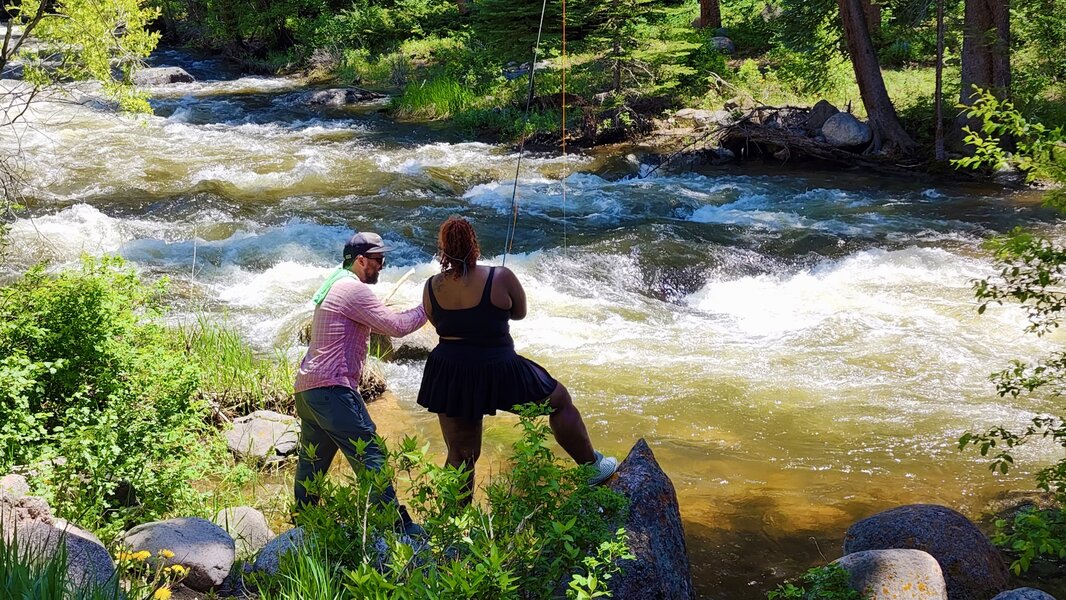
In recent years, there has been a growing movement to recognize that outdoor recreational areas and natural spaces belong to everyone, regardless of background or socioeconomic status. Advocates argue that access to nature is a fundamental right that can promote health, community, and well-being.
Historically, marginalized communities have faced significant barriers to enjoying outdoor spaces. These barriers include lack of nearby parks, unsafe environments, and policies that favor affluent neighborhoods. As a result, many people are deprived of the physical and mental health benefits that come with outdoor recreation.
Efforts are underway across various regions to address these disparities. Urban planners and policymakers are working to create more inclusive parks and recreational facilities in underserved areas. Initiatives include developing community-led projects, increasing funding for public parks, and implementing policies that prioritize equitable access.
Organizations and activists emphasize that outdoor spaces should be designed with diversity and inclusion in mind. This involves not only physical accessibility for people with disabilities but also cultural relevance and safety for all community members. Education campaigns aim to raise awareness about the importance of equitable access and to challenge existing inequalities.
Furthermore, there is a call for greater representation of marginalized groups in outdoor recreation decision-making processes. By involving diverse voices, policies can better reflect the needs of all community members and foster a sense of ownership and pride in shared natural resources.
Despite progress, challenges remain. Funding constraints, political opposition, and systemic inequalities continue to hinder efforts to make outdoor spaces truly accessible. Nonetheless, the movement persists, driven by the belief that nature should be a shared resource and a source of joy and health for everyone.
In conclusion, recognizing that "the outdoors belong to us, too" is a vital step toward building more inclusive and equitable communities. As society continues to address these issues, the hope is that future generations will enjoy the outdoors without barriers, fostering a culture of shared stewardship and respect for natural spaces.